The Cozy Home Decor Checklist: 15 Items That Instantly Warm a Room
Fifteen textiles, lighting, scent and texture pieces that warm up any room in an afternoon — no full redesign required.
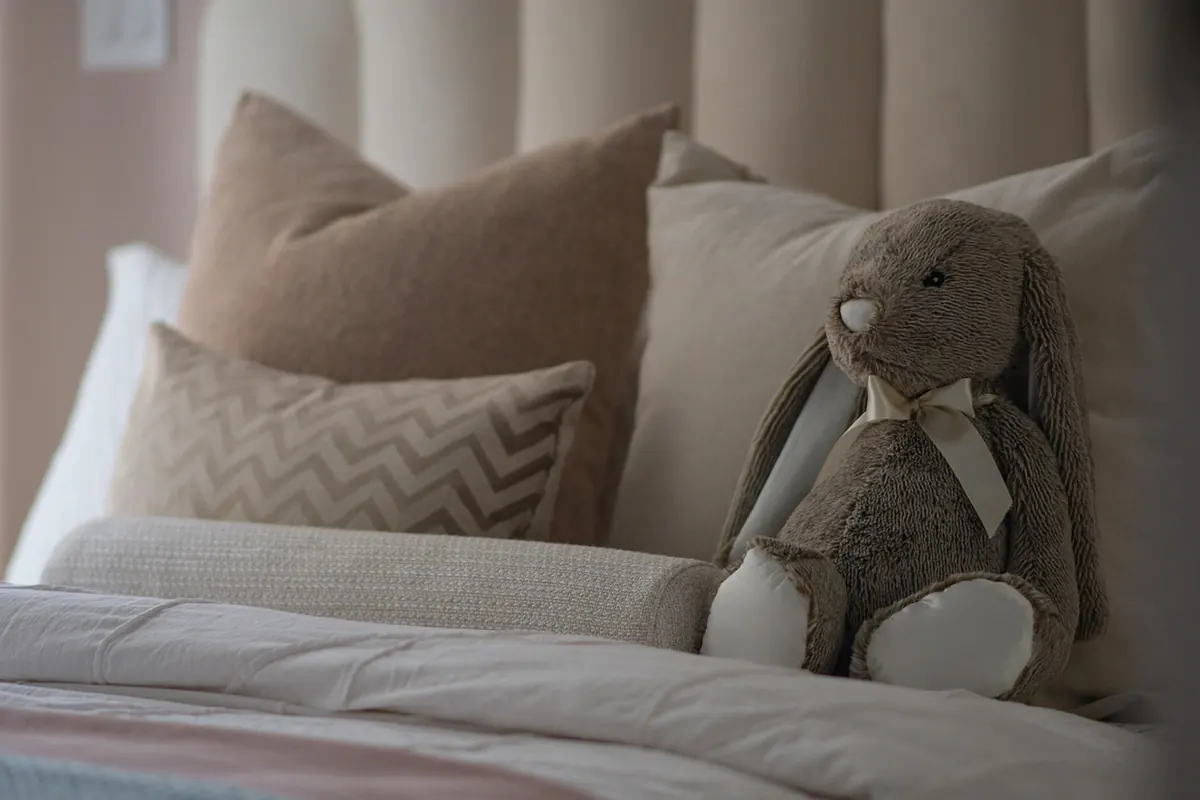
A room can be beautifully decorated and still feel cold. The furniture is right, the walls are painted, the pictures are hung — and yet you walk in and want to put your coat back on. What's missing usually isn't more stuff. It's softness: things you can touch, light that doesn't come from the ceiling, and a smell that makes the space feel lived in.
Warming a room is almost never a redesign project. It's a series of small, cheap, reversible moves, most of them under an hour and many of them things you already own. Here's the checklist that does the most work, roughly in the order each one makes a difference.
Start With What You Touch: Textiles
Textiles soften a room faster than anything else because they break up hard surfaces and absorb sound. A bare floor, a leather sofa and a glass coffee table will always read as cool, however nice they look.
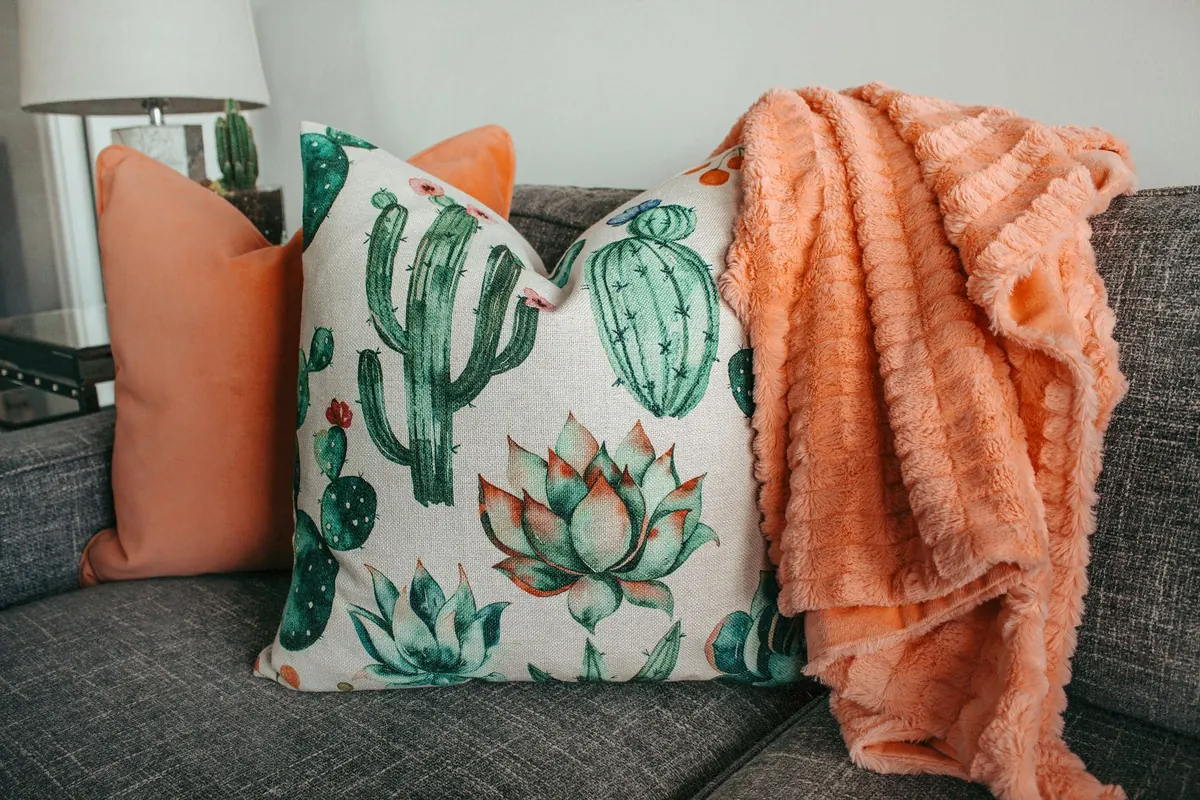
Begin with a throw blanket you actually want to use. If it's too small to cover your legs, it becomes decoration. Look for something at least 50 by 60 inches in wool, cotton or a blend — natural fibres hold warmth and age better than acrylic. Drape it over the arm of the sofa rather than folding it into a perfect square. A little looseness reads as "someone sits here."
Cushion covers are the cheapest seasonal swap you can make. Keep two or three inserts and change only the covers. Velvet, bouclé and brushed cotton add depth in autumn and winter; linen and lighter weaves carry you into spring.
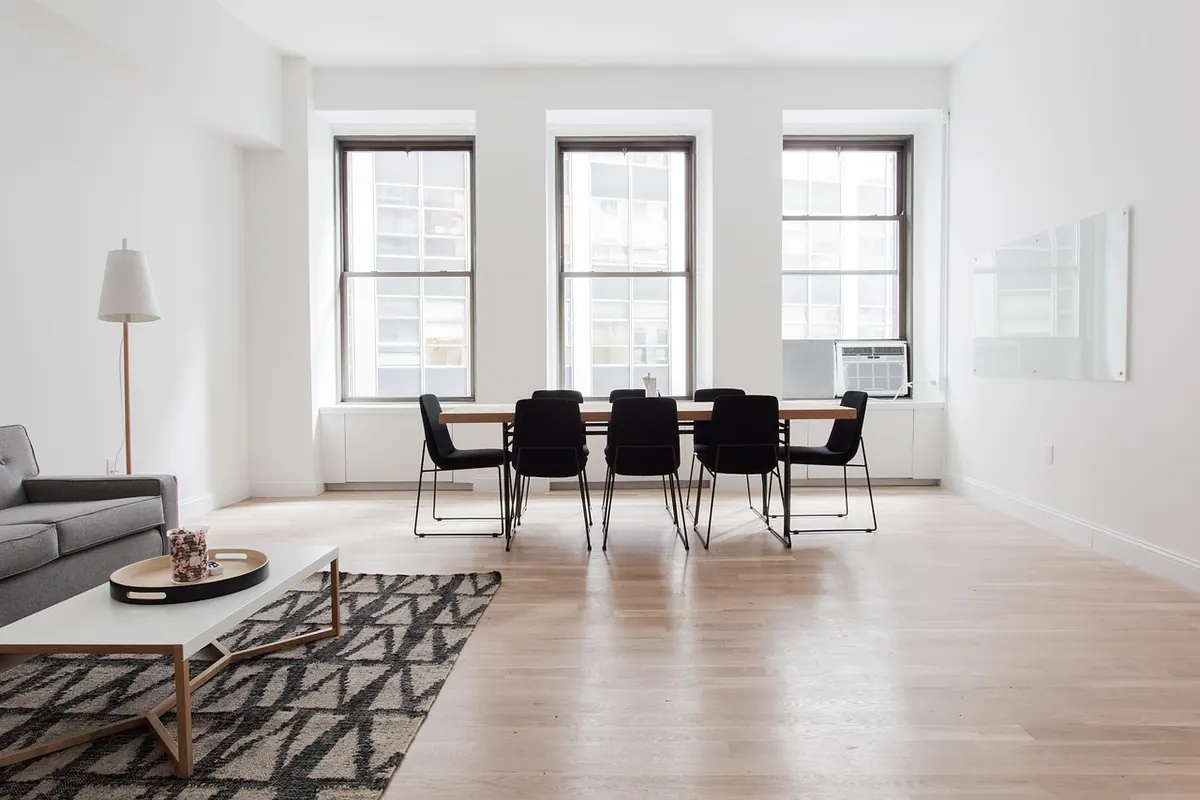
Rugs do more than cover floors — they define a seating area and stop furniture from floating. The most common mistake is buying too small. A rug should reach at least under the front legs of your sofa and chairs, and ideally beyond them.
Curtains deserve a mention too. Hung high and wide, floor-length, in a fabric that falls rather than stiffens, they frame a window and add a layer of insulation. Even a lightweight linen panel softens the hard edge of a window at night.
Light at Eye Level
Overhead lighting alone is the biggest reason rooms feel clinical. A ceiling fixture lights the top of your head and leaves the rest of the room in shadow.
Aim for three light sources at different heights: a table lamp, a floor lamp and something lower — a candle, a small lamp on a side table, a strip of light behind a shelf. Put them on separate switches where you can, or use smart plugs, so you can run one or two instead of all of them.
Bulbs and shades
Colour temperature matters. Bulbs around 2700K give a warm, yellowish glow; anything much above 3000K starts to look like an office. If a lamp feels harsh, change the bulb before you change the lamp. A fabric or paper shade diffuses light more softly than bare metal, and a dimmer turns one lamp into several.
Scent, Subtle and Layered
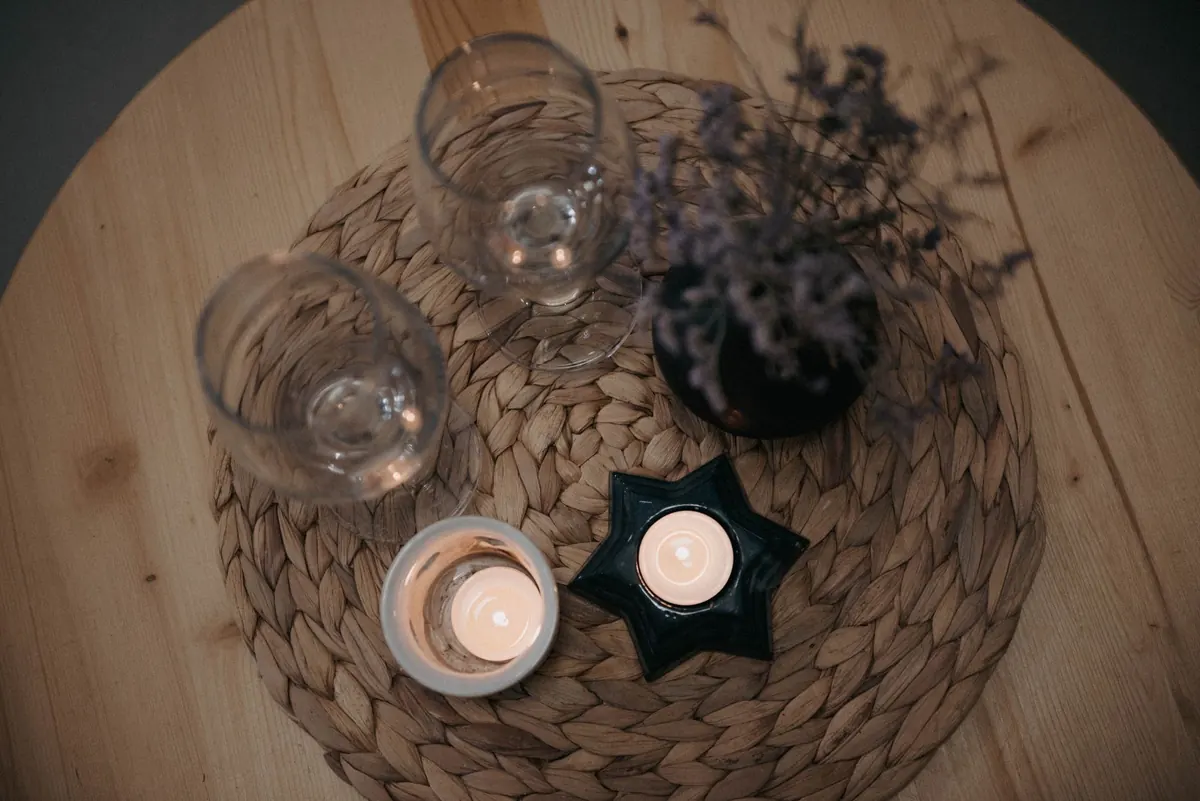
Scent reaches memory faster than anything visual, and it's easy to overdo. One clear note per room is enough. A candle with a wood, tobacco or vanilla base suits a living room; something greener and lighter works in a kitchen.
If candles aren't practical, a simmer pot does the same job for the cost of an orange. Put citrus peel, a cinnamon stick and a few cloves in a small pan of water, bring it to a simmer and turn it down. Never leave it unattended, and top up the water so it doesn't scorch. Dried orange slices in a bowl, or rosemary sprigs on a radiator, are quieter versions of the same idea.
One caveat: strong synthetic fragrances bother some people. If anyone in the house has asthma or allergies, unscented is the kinder choice.
Warm Materials and Small Signals
Materials carry temperature. Wood, brass, copper, amber glass, ceramic, stoneware and woven fibres all read warmer than chrome, glass and glossy white.
You don't need much. A wooden tray on the coffee table corrals remotes and candles and makes a plain surface look intentional. A brass candlestick, a ceramic vase, a woven basket holding folded blankets — each adds texture and stops a room looking like a showroom.
Then let the room show signs of use: a book left open, a mug on a coaster, a blanket that isn't perfectly arranged.
The Fifteen-Item Checklist
- A throw blanket large enough to actually cover you.
- Two or three cushion covers in velvet, bouclé or brushed cotton.
- An area rug that reaches under the front legs of your seating.
- Floor-length curtains, hung high and wide.
- A table lamp with a fabric or paper shade.
- A floor lamp near a reading chair or a dark corner.
- Warm white bulbs around 2700K, used throughout.
- A dimmer or smart plug so you can lower the light at night.
- A candle with a wood, vanilla or tobacco note.
- A simmer pot or dried citrus for a gentle kitchen scent.
- A wooden tray for the coffee table.
- One brass, copper or amber accent — a candlestick, a bowl, a frame.
- A woven basket for blankets, magazines or kindling.
- A plant or a pot of herbs that gets enough light to survive.
- A record player or speaker with a playlist you actually use.
A Practical Way to Start
Don't buy fifteen things. Pick the three that cost the least and change the most — usually the throw, a lamp with a warm bulb, and something scented. Live with them for a week before adding anything else.
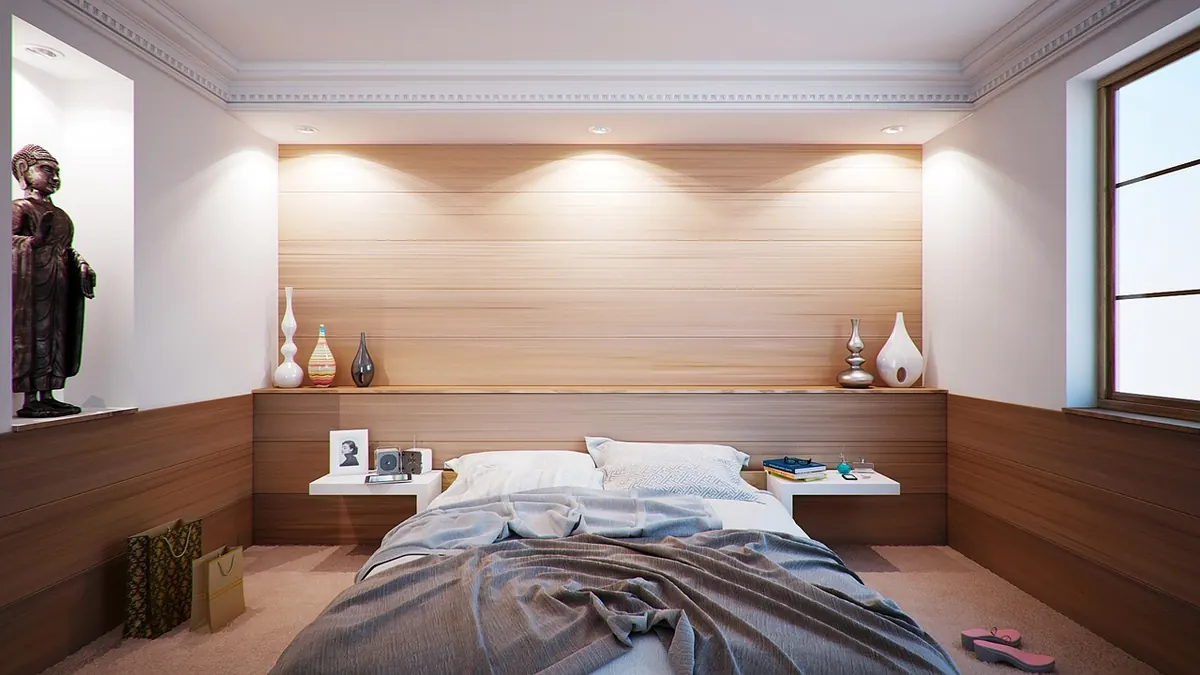
Then work room by room. Living rooms almost always need textiles and light. Bedrooms benefit most from layered bedding, low lamps and curtains. Hallways and kitchens need warm metal, a runner and one small lamp wherever there's an outlet.
Keep a running note of what you're missing instead of buying on impulse, and buy the best version of one thing you can afford rather than four cheap ones. Warmth comes from how a room is layered, not how much is in it.
Photo: michasekdzi / Pixabay